
.png)




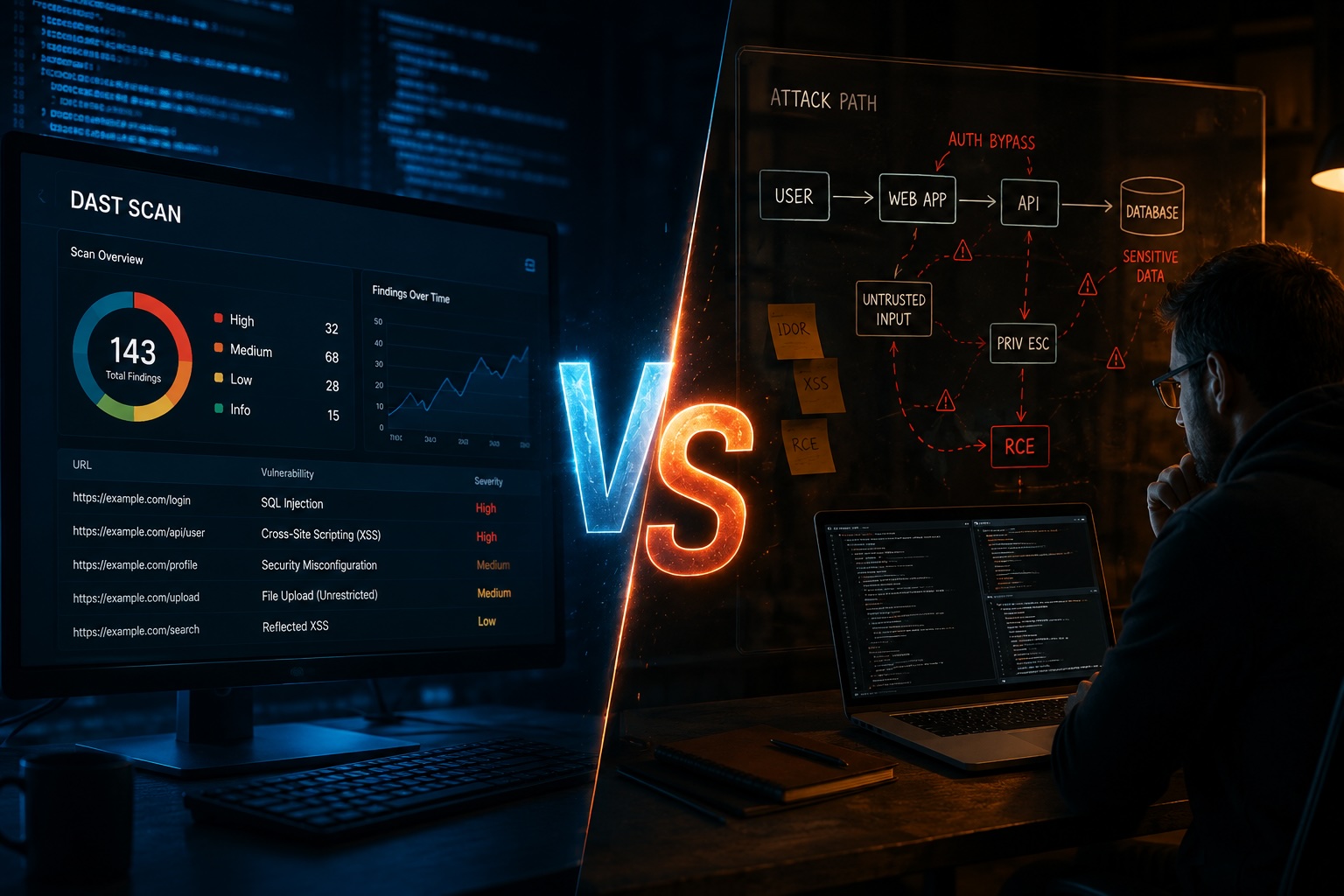
The rapid evolution of cybersecurity threats has outpaced traditional methods for identifying and mitigating vulnerabilities, pushing organizations to adopt cutting-edge solutions like AI-powered pentesting tools. These advanced tools leverage artificial intelligence and machine learning to simulate real-world attacks, uncover hidden weaknesses, and automate the penetration testing process, enabling businesses to enhance their security posture efficiently. However, as a new benchmark published by Security Boulevard highlights, not all AI-driven pentesting technologies are created equal.
The benchmark provides an in-depth analysis of the latest AI-powered pentesting tools, comparing their performance, functionality, and integration capabilities. For CISOs, security engineers, IT leaders, and enterprises committed to staying ahead of increasingly sophisticated threats, understanding the nuances of these emerging technologies is critical. This article explores the findings of the benchmark study, discusses the implications for organizational security strategies, and provides actionable insights for optimizing your pentesting approach.
What Makes AI-Powered Pentesting Different?
Traditional penetration testing relies heavily on human expertise to identify system vulnerabilities and simulate attacks. While effective, this manual approach is time-intensive, costly, and often limited in scope. AI-powered pentesting tools transform this paradigm by automating key aspects of the process, enabling faster and more comprehensive assessments. These tools utilize machine learning algorithms to analyze vast amounts of data, mimic attacker behavior, and adapt to evolving threat landscapes in real-time.
Key functionalities typically include:
- Automated Vulnerability Detection: AI tools scan networks, applications, and endpoints more quickly and thoroughly than manual methods, identifying weak spots that could be exploited.
- Intelligent Attack Simulation: By leveraging AI-generated scenarios, these tools simulate sophisticated attack vectors to test system defenses.
- Dynamic Reporting and Recommendations: AI-powered pentesting platforms often provide actionable insights and remediation strategies tailored to the specific vulnerabilities discovered.
AI Capabilities Highlighted in the Benchmark
The benchmark study by Security Boulevard revealed several notable capabilities of modern AI-powered pentesting tools:
- Contextual Analysis: Advanced tools integrate contextual intelligence to prioritize vulnerabilities based on risk and business impact, improving the efficiency of remediation efforts.
- Adaptability: Some platforms incorporate reinforcement learning, enabling them to evolve their attack simulation strategies as they gather more data.
- Integration with Existing Frameworks: Leading tools seamlessly integrate with established frameworks like MITRE ATT&CK and NIST guidelines, aligning testing efforts with industry best practices.
Key Findings
The benchmark study evaluated leading AI-powered pentesting tools across several performance categories, including speed, accuracy, scalability, and ease of use. Here’s a summary of the findings:
- Speed and Scalability: AI-enabled tools demonstrated remarkable speed and scalability, completing penetration tests in a fraction of the time required for manual assessments. However, the extent of this efficiency varied across platforms.
- Accuracy: While most tools showcased high levels of accuracy, some exhibited false positives due to overly aggressive algorithms. Balancing precision with thoroughness remains a challenge for certain vendors.
- User Interface and Reporting: Tools with intuitive dashboards and clear, actionable reporting were favored, as they enable IT teams to quickly understand and address vulnerabilities.
- Integration Capabilities: Platforms that could integrate with existing security tools and frameworks were better equipped to provide holistic insights into an organization’s security posture.
Strengths and Weaknesses
The benchmark also highlighted some challenges inherent in using AI-powered pentesting tools:
- Overwhelming Data: Some tools produced excessive amounts of data, requiring additional manual effort to filter and prioritize findings.
- Limited Customization: A number of solutions lacked flexible testing options, which could hinder organizations with specific requirements or unique infrastructures.
- Cost Considerations: Although AI-powered pentesting tools can reduce costs over time, the initial investment remains a barrier for smaller organizations.
What This Means for Your Organization
AI-powered pentesting tools represent a significant advancement in the cybersecurity landscape, but their adoption requires careful consideration. Here are actionable steps to ensure your organization maximizes the benefits while mitigating risks:
1. Evaluate Tool Suitability: Not all AI-powered pentesting tools will be a perfect fit for your organization. Assess your specific needs, such as the size of your network, compliance requirements, and existing security infrastructure, before choosing a tool.
2. Prioritize Integration: Select tools that integrate seamlessly with your current security stack, including SIEM platforms, vulnerability management systems, and industry frameworks like MITRE ATT&CK. This ensures a comprehensive approach to threat detection and mitigation.
3. Train Your Team: While AI tools automate many tasks, human oversight remains critical. Invest in training your security teams to interpret AI-generated insights effectively and make informed decisions about remediation.
4. Address False Positives: Implement processes for validating AI-identified vulnerabilities to prevent time and resources being wasted on false positives. Some vendors offer features to fine-tune algorithms for greater accuracy.
5. Consider a Hybrid Approach: For high-risk environments, supplement automated pentesting with manual assessments conducted by specialized security professionals. This can help identify complex vulnerabilities that AI might miss.
Need help strengthening your organization's security posture? 1 Cyber Valley's team of experts is here to help. Reach out to us at hello@onecybervalley.com
Strategic Implementation of AI-Powered Pentesting
To fully leverage AI-powered pentesting tools, organizations must adopt a strategic approach:
- Define Clear Objectives: Establish specific goals for your pentesting initiatives, such as meeting compliance requirements, securing critical assets, or improving overall cybersecurity maturity.
- Monitor Vendor Claims: Be wary of exaggerated claims from vendors. Request proof-of-concept demonstrations and customer references to validate product performance.
- Integrate Continuous Testing: Incorporate AI-powered pentesting tools into a broader strategy of continuous vulnerability assessment and remediation to stay ahead of emerging threats.
Key Takeaways
- AI-powered pentesting tools automate vulnerability detection and attack simulation, offering significant speed and scalability advantages over traditional methods.
- The benchmark study reveals variations in tool performance across criteria like accuracy, ease of use, and integration capabilities, underscoring the importance of selecting the right solution for your organization.
- Challenges such as false positives, excessive data output, and limited customization highlight the need for human oversight and strategic implementation.
- Organizations should prioritize tools that align with industry frameworks and integrate seamlessly with existing security solutions.
- A hybrid approach that combines automated and manual pentesting can ensure comprehensive protection against all types of vulnerabilities.
How 1 Cyber Valley Can Help
At 1 Cyber Valley, we understand the complexities of adopting AI-powered pentesting tools and integrating them into your cybersecurity strategy. Our team of expert analysts can help you identify the best solution for your organization, implement it effectively, and provide ongoing support to monitor and optimize your security posture. Reach out to us at hello@onecybervalley.com to start the conversation.